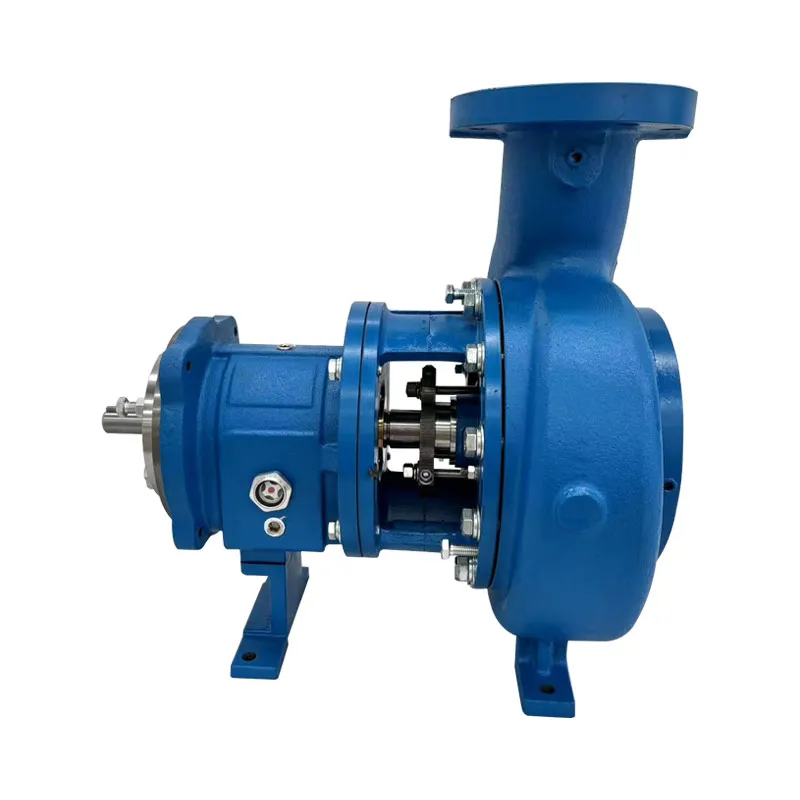
What Is a Vertical Slurry Pump and Why Is It Essential for Heavy-Duty Applications?
The Vertical Slurry Pump is a specialized pumping solution designed to transport abrasive and high-density slurries in industrial environments. Commonly used in mining, power plants, metallurgy, and wastewater treatment, vertical slurry pumps provide reliable performance in challenging conditions. This article breaks down what vertical slurry pumps are, how they work, their key benefits, industry applications, selection criteria, maintenance best practices, and real-world performance considerations. It also includes FAQs to clarify important concepts and assist engineers, technicians, and procurement professionals in making informed decisions.
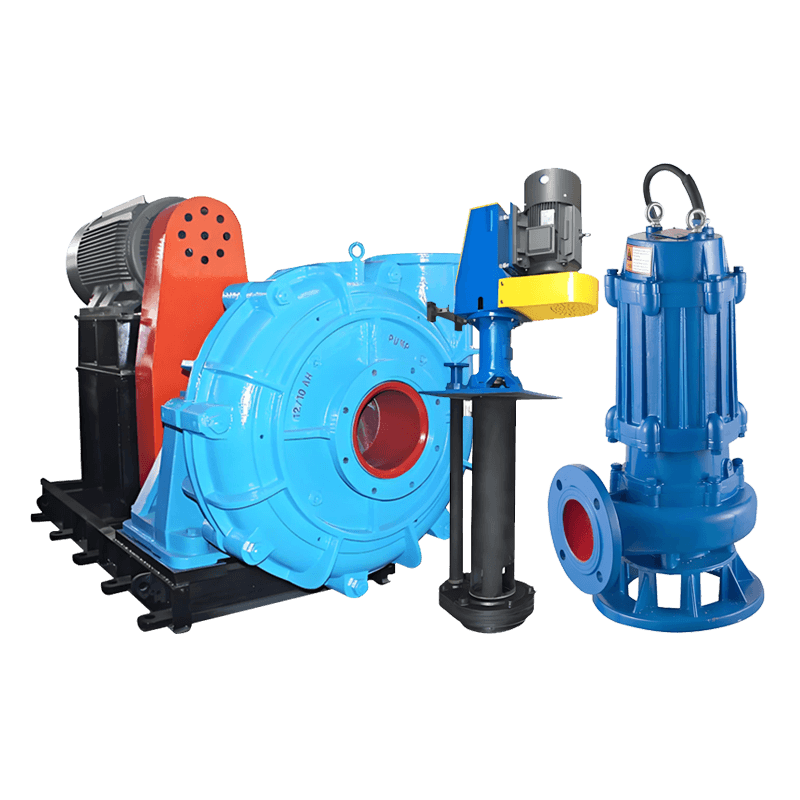
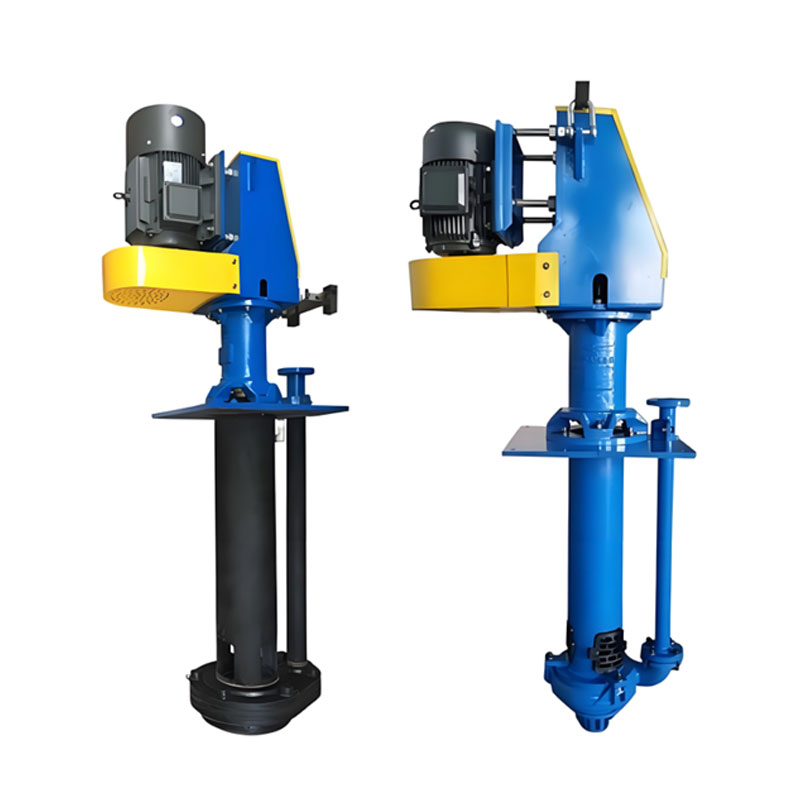
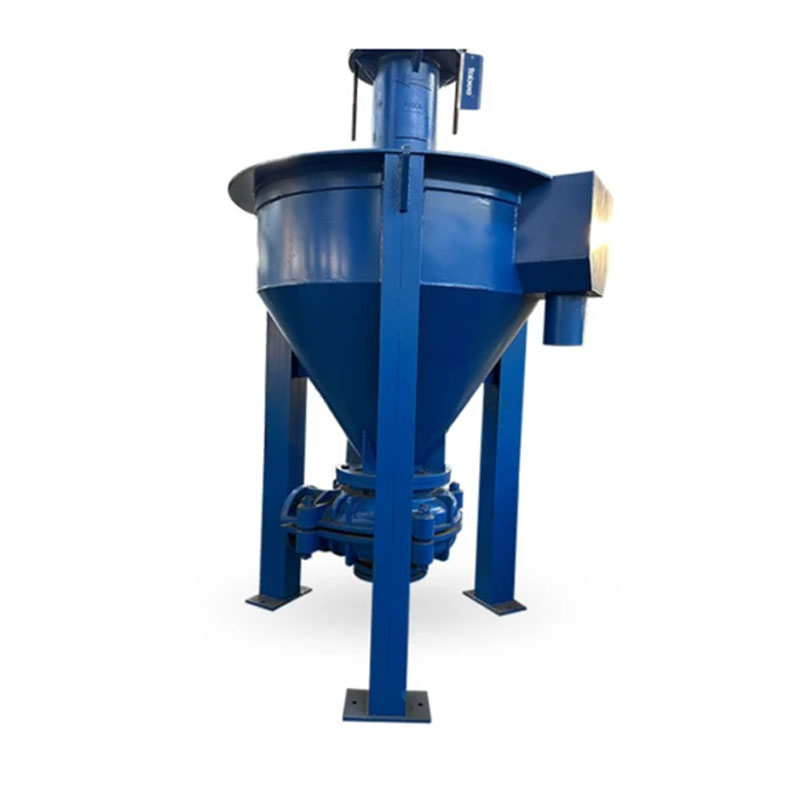
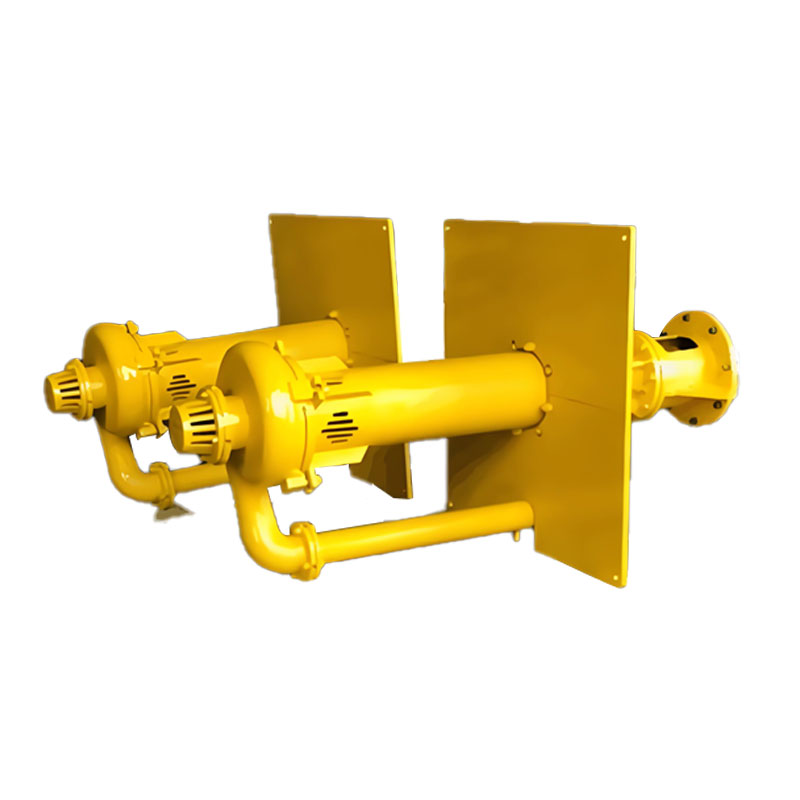
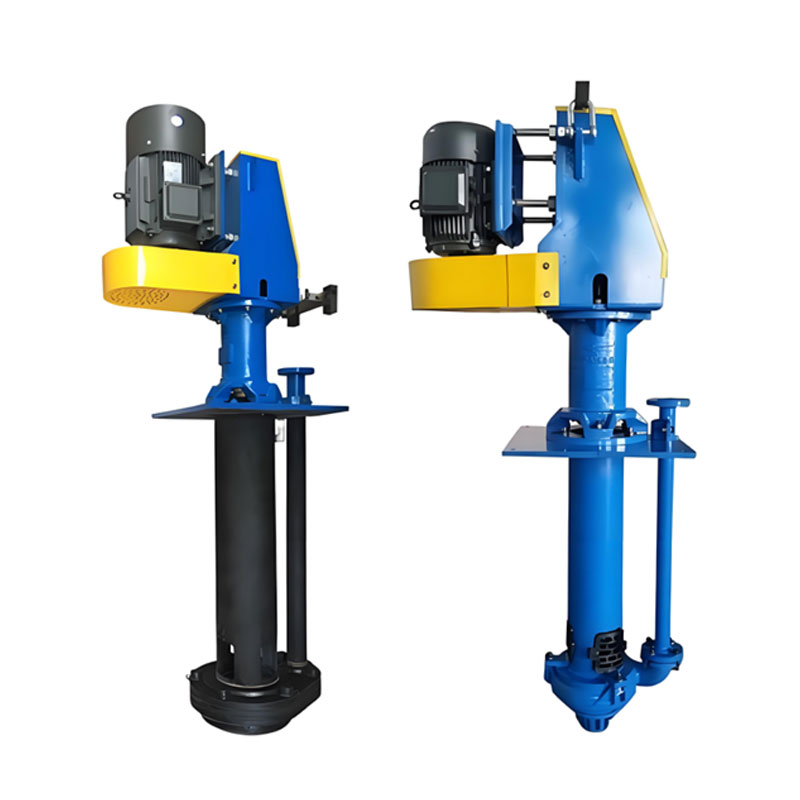
A Vertical Slurry Pump is a centrifugal pump designed to move abrasive, high-solid-content fluids (slurries) vertically from deep sumps or pits where conventional horizontal pumps cannot be installed. These pumps are engineered to resist wear and corrosion while operating under heavy load conditions.
Leading manufacturers such as Shandong Furkey Pumps Co., Ltd. produce vertical slurry pumps used worldwide in mining, chemical processing, and wastewater applications due to their rugged durability and efficiency.
How Does a Vertical Slurry Pump Work?
Vertical slurry pumps utilize an impeller driven by a motor mounted above the pump.
The impeller rotates inside a casing that draws slurry up through the inlet and pushes it into the discharge pipe.
Because the majority of the pump body remains submerged, cooling and sealing challenges are minimized.
Why Use a Vertical Slurry Pump Over Other Types?
Vertical slurry pumps offer specific advantages:
Footprint reduction — no need for a dedicated pump room
Enhanced durability for abrasive and corrosive media
Reduced maintenance compared to horizontal pumps in slurry environments
Ability to operate at variable depths and fluctuating sump levels
Which Types of Vertical Slurry Pumps Are Available?
Pump Type
Description
Applications
Wet-pit Vertical Slurry Pump
Designed for permanent installation in a slurry pit
Mining tailings, coal slurry
Cantilever Vertical Pump
No lower bearing, suspended impeller design
Abrasive slurries, chemical industries
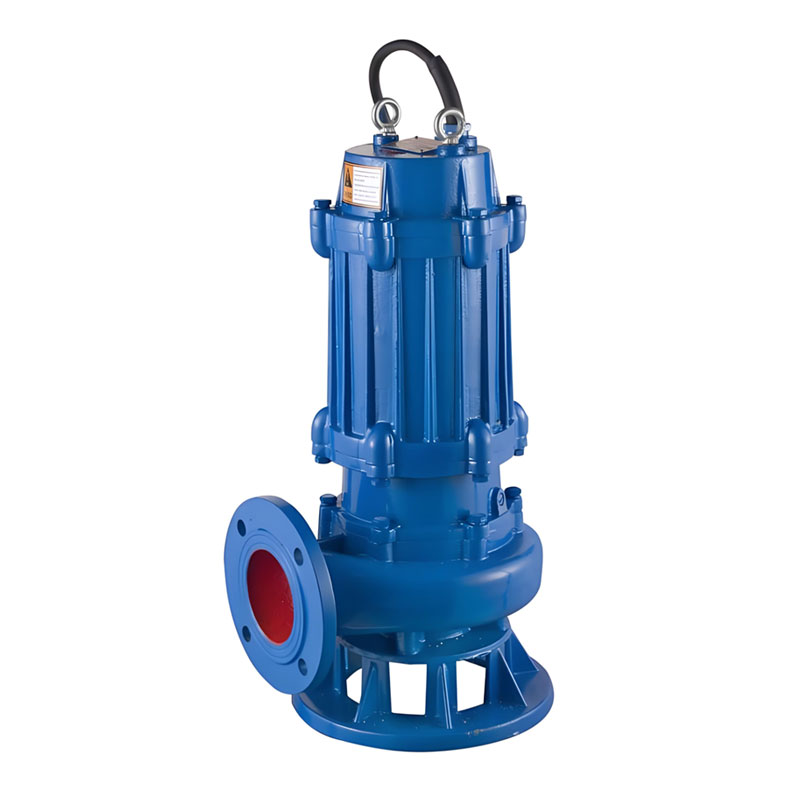
Submersible Vertical Slurry Pump
Sealed design for submerged operation
Dredging, deep sump pumping
Manufacturers such as Shandong Furkey Pumps Co., Ltd. provide multiple series of vertical slurry pumps with customized configurations for specific industrial environments.
What Key Features Should You Consider?
Material Selection: High-chrome alloys, elastomers, stainless steel
Impeller Type: Open, semi-open, closed — dependent on solids size
Wear Liners: Replaceable casings & liners for longer service
Operating conditions — temperature and pressure requirements
Sump depth — to match pump column length
Efficiency curves and performance charts
Technical teams at companies like Shandong Furkey Pumps Co., Ltd. often provide consulting services to help customers determine the most suitable configuration.
How to Perform Effective Maintenance on Vertical Slurry Pumps?
Regular maintenance is critical for reliability. Follow these steps:
Inspect impeller wear and replace when necessary
Check shaft alignment and bearings
Monitor vibration and unusual noise levels
Lubricate bearings according to manufacturer guidelines
Drain and flush slurry build-up during service intervals
Frequently Asked Questions (FAQ)
Q1: What distinguishes a vertical slurry pump from a horizontal slurry pump?
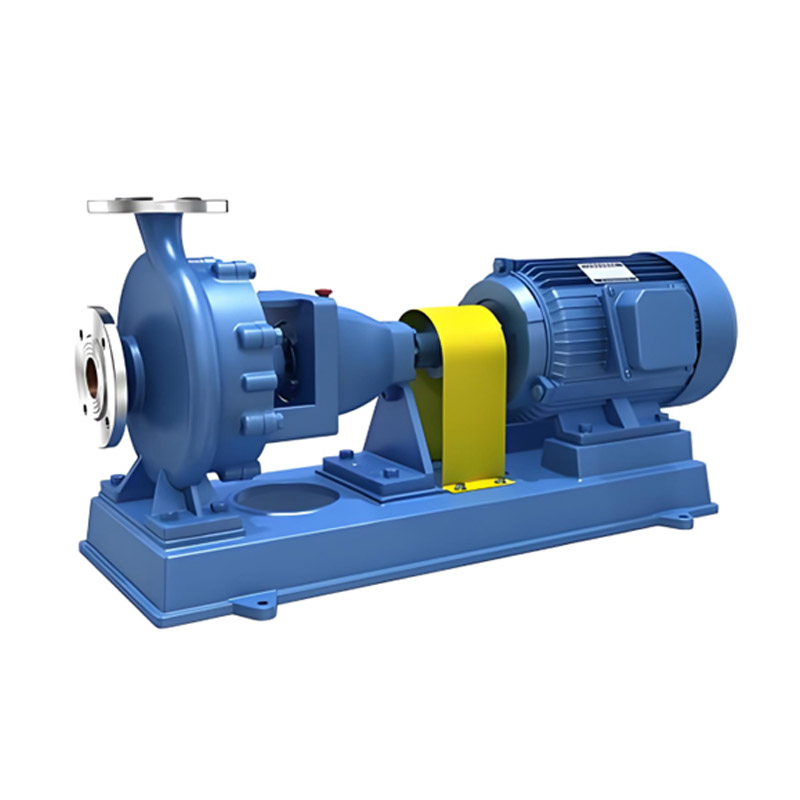
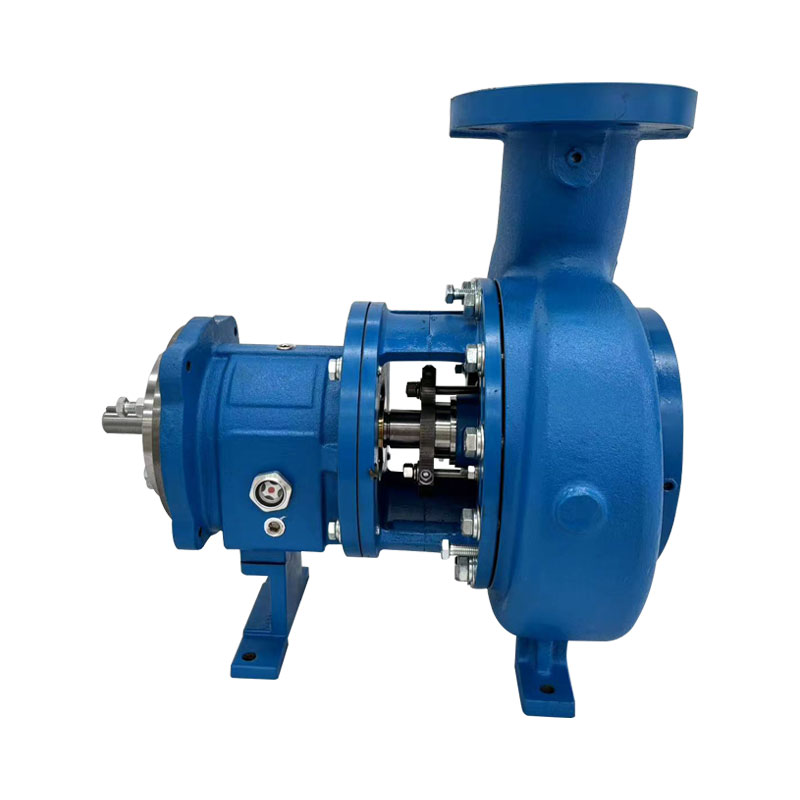
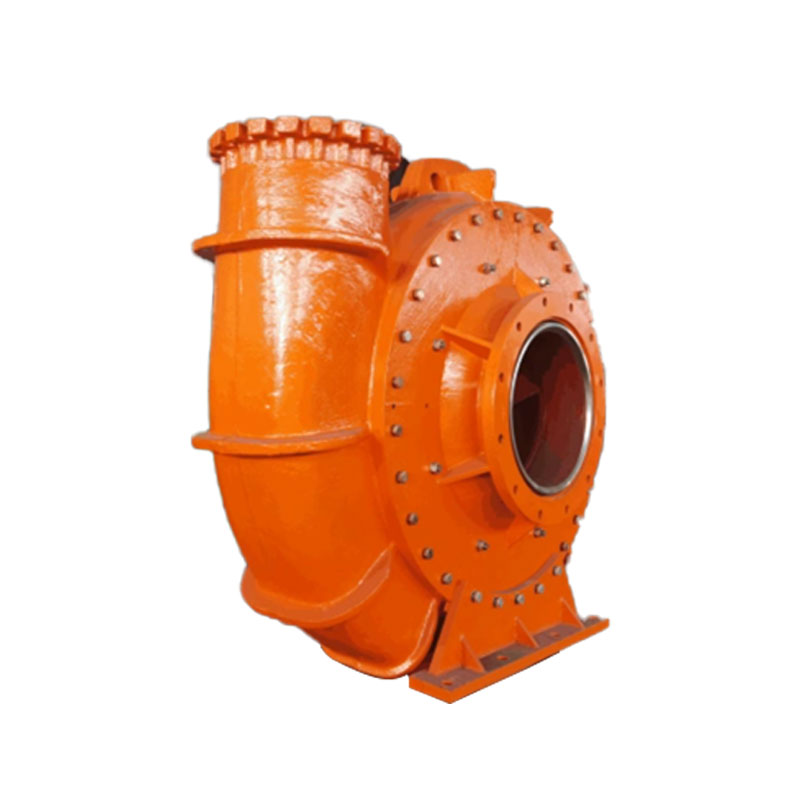
A: A vertical slurry pump installs vertically into a sump and requires less floor space. It is more suited for deep slurry pits where suction lift is challenging. Horizontal pumps, in contrast, are placed beside the sump and rely on flooded suction and more elaborate sealing systems.
Q2: How does the material selection affect pump lifespan?
A: Material selection determines how well the pump resists abrasion and corrosion. High-chrome and alloy materials are preferred for heavy-duty slurry. Elastomer-lined parts provide flexibility and abrasion resistance in chemical slurries. Choosing proper materials can drastically extend service life and reduce maintenance costs.
Q3: What applications are best suited for vertical slurry pumps?
A: Vertical slurry pumps excel in mining tailings, coal preparation, dredging, power plant ash handling, and industrial wastewater treatment. They perform well in environments where controlling solids and maintaining operability in deep sump conditions are vital.
Q4: Can vertical slurry pumps handle large solids?
A: Yes — depending on the design and impeller type. Open and semi-open impellers allow larger particle throughput. Manufacturers such as Shandong Furkey Pumps Co., Ltd. engineer pumps capable of handling diverse solids sizes efficiently when properly selected.
Q5: How often should maintenance be performed?
A: Maintenance frequency depends on the slurry abrasiveness, pump workload, and operating hours. Regular daily inspections, weekly checks, and periodic overhauls every few months are standard practices. Preventive maintenance prevents costly downtime.
Are you interested in high-performance vertical slurry pumps for your industrial application? Shandong Furkey Pumps Co., Ltd. offers expert guidance, customized solutions, and professional after-sales support.
For inquiries, quotations, or technical consultation, contact us today and let our engineering team help optimize your slurry handling systems!
We use cookies to offer you a better browsing experience, analyze site traffic and personalize content. By using this site, you agree to our use of cookies.
Privacy Policy