Shandong Furkey Pumps Co., Ltd.
News

News

What Makes a Horizontal Slurry Pump the Most Reliable Choice for Heavy-Duty Material Handling?

2025-12-10

Choosing the right Horizontal Slurry Pump is critical for mining, mineral processing, metallurgy, power plants, dredging, and any industry that requires the continuous transfer of abrasive or high-density slurries. Understanding how these pumps work, why they outperform other slurry-handling solutions, and what specifications matter ensures better productivity and longer service life.

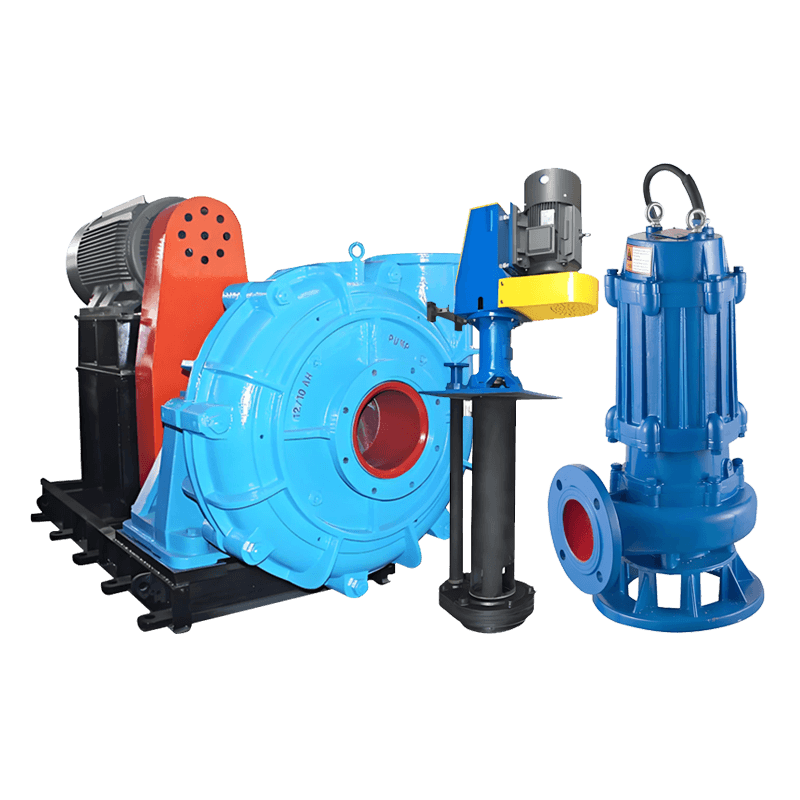
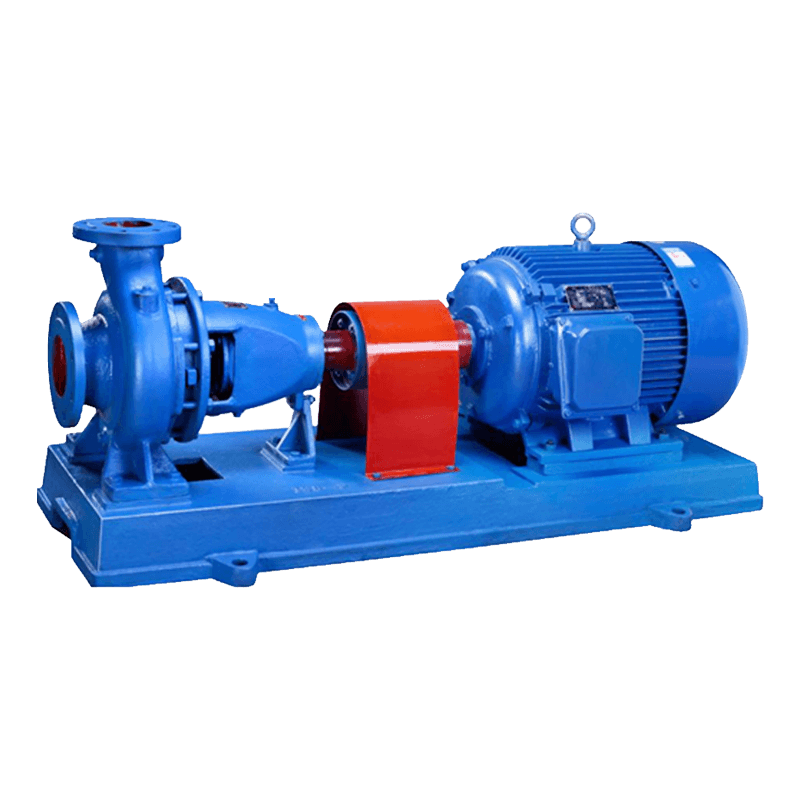
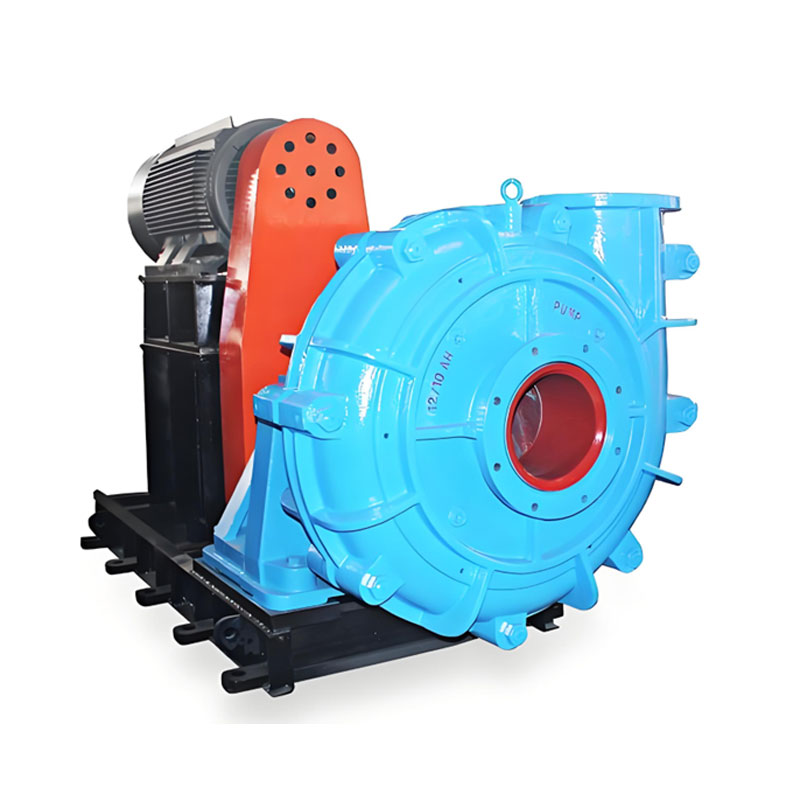
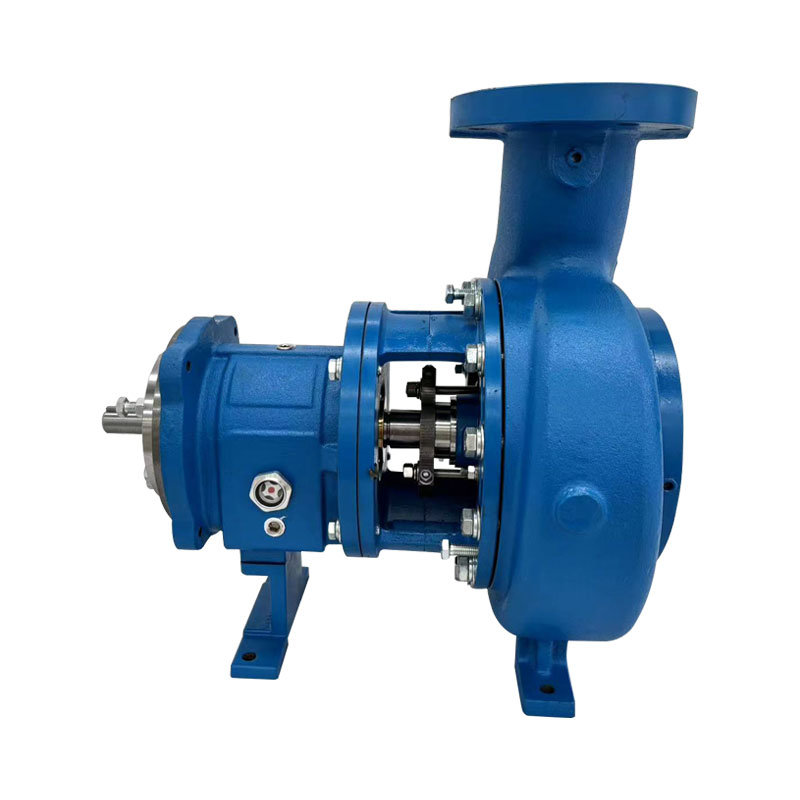
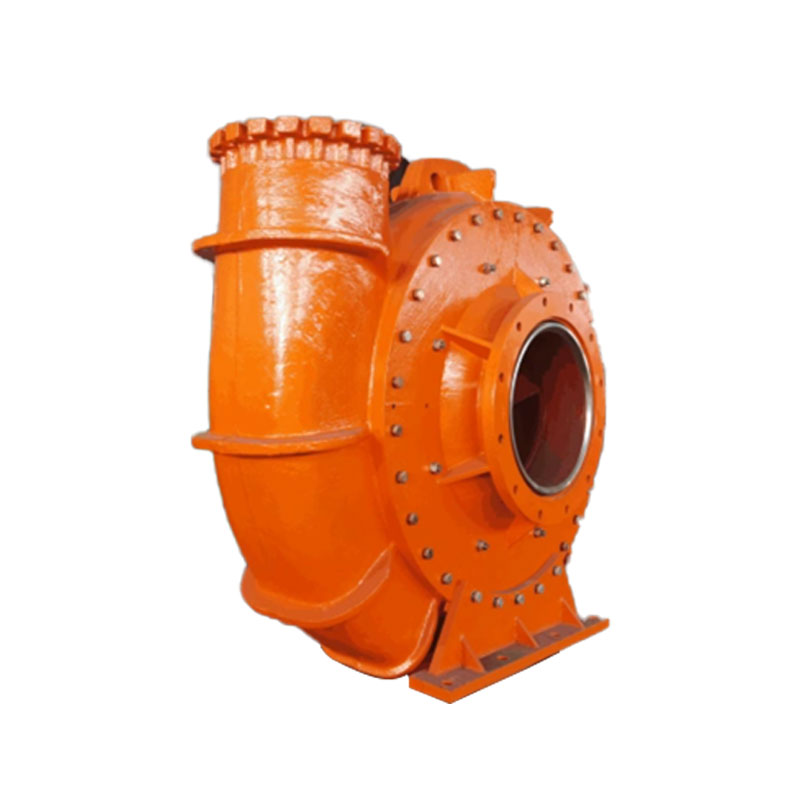
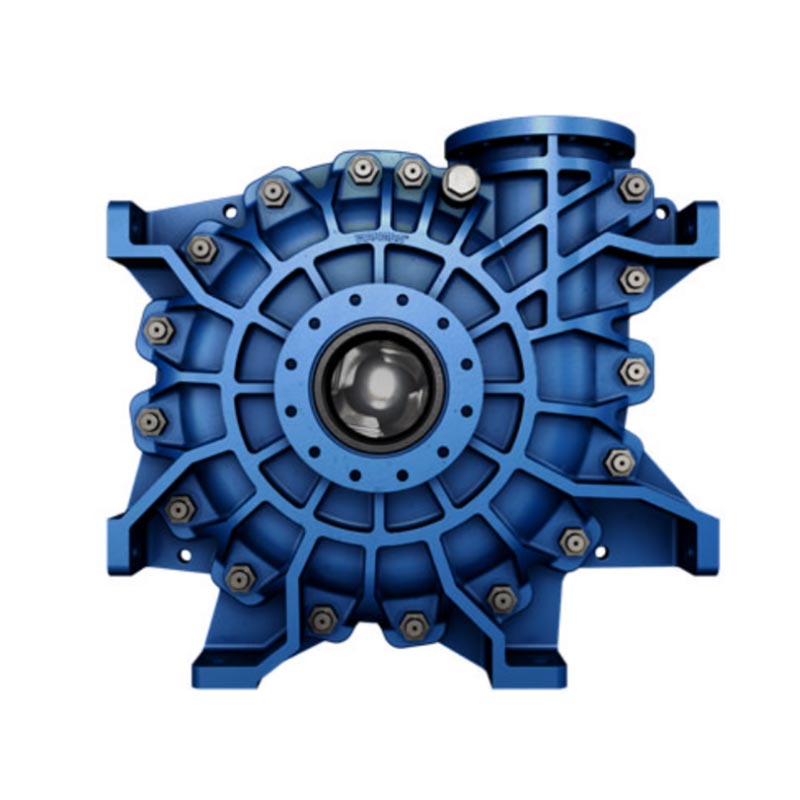
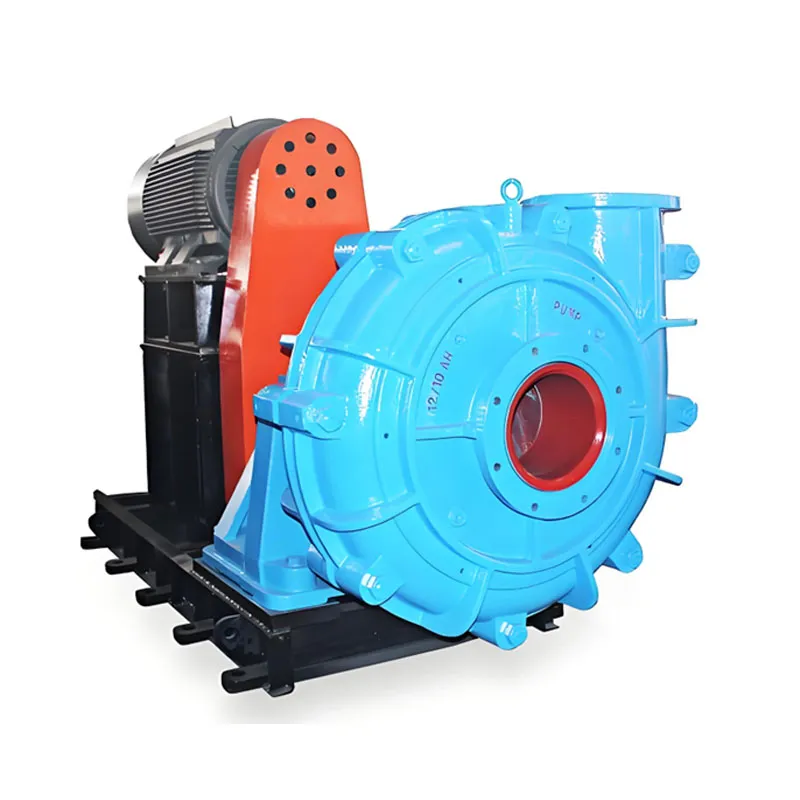
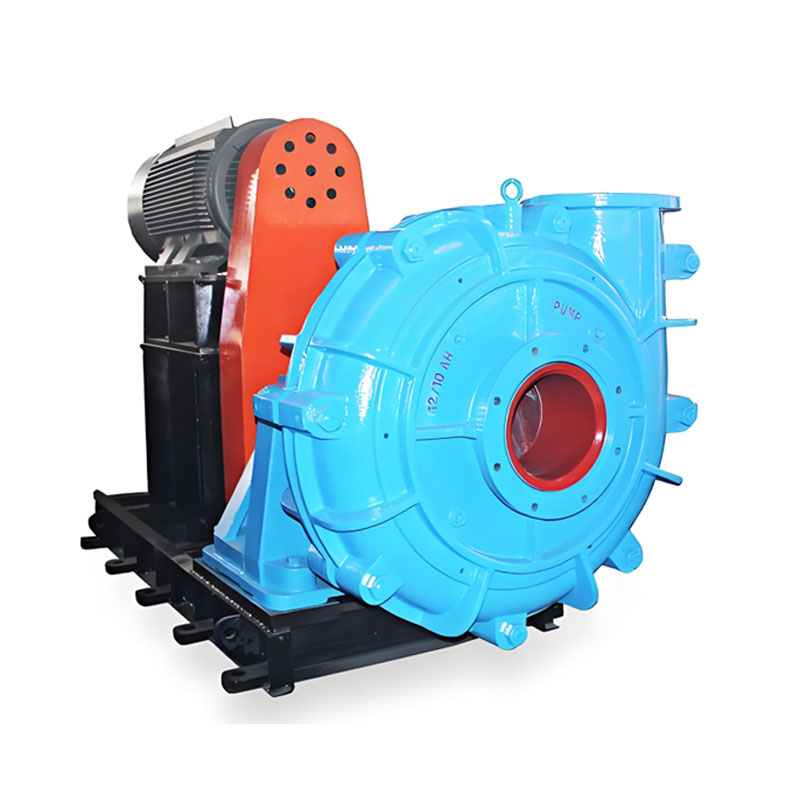
A Horizontal Slurry Pump is designed with a robust structure, heavy-duty bearings, and high-wear-resistant wet-end components. It delivers stable performance for transporting slurry containing solids such as sand, tailings, coal, and various industrial residues. Its horizontal configuration provides easy maintenance, high interchangeability, and consistent efficiency.

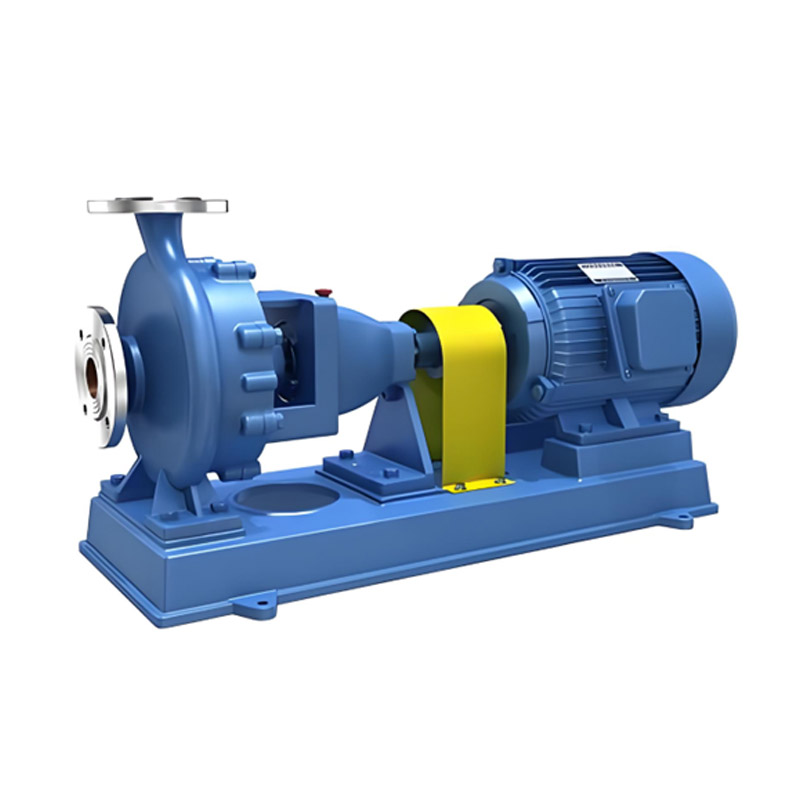
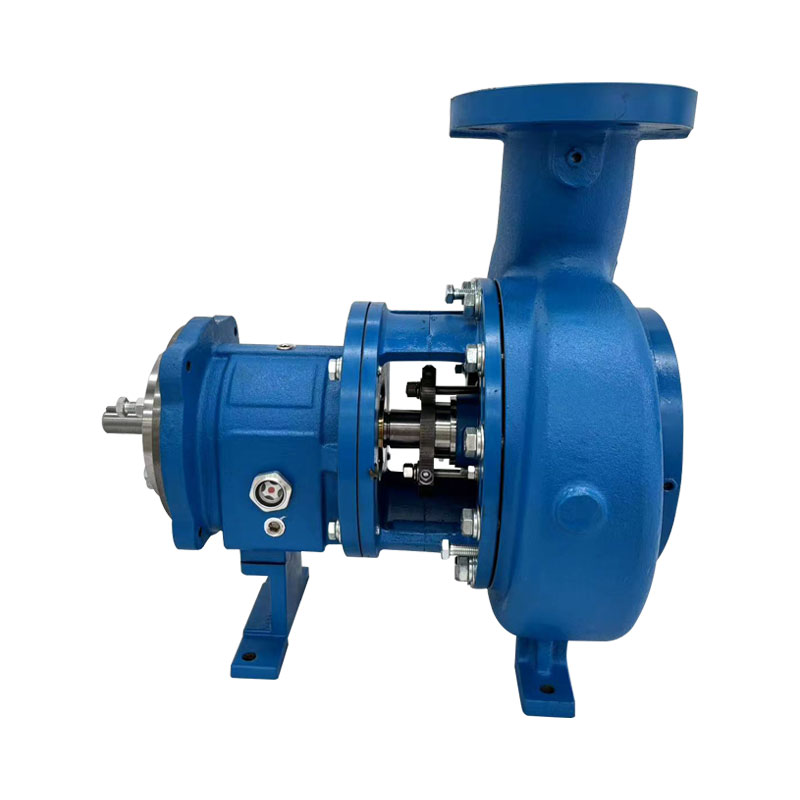
 Horizontal Slurry Pump


Why Is a Horizontal Slurry Pump Essential for Abrasive Slurry Applications?

Abrasive environments demand equipment that offers resistance to wear, corrosion, and impact. A Horizontal Slurry Pump excels due to:

  • Thicker wet-end parts designed to combat heavy abrasion

  • Wide flow channels to ensure efficient solid-handling

  • High motor compatibility for continuous-duty scenarios

  • Replaceable liners that cut down maintenance cost

  • Stable shaft structure that reduces vibration and improves reliability

This combination makes it indispensable for industries where downtime and maintenance cost must be kept at a minimum.


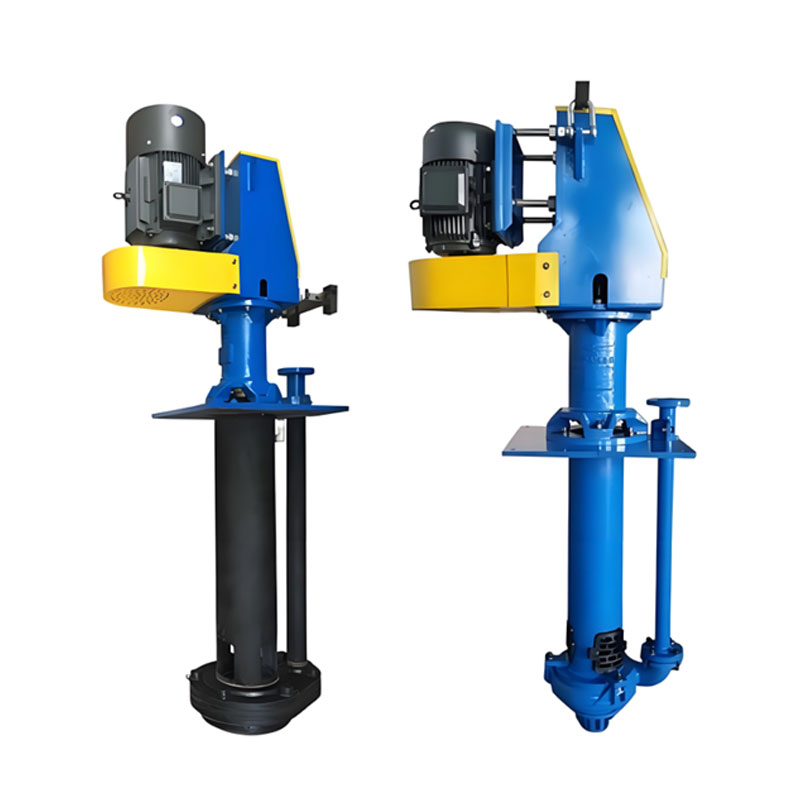
How Does a Horizontal Slurry Pump Perform Compared to a Vertical Slurry Pump?

Feature Horizontal Slurry Pump Vertical Slurry Pump
Installation Ground-mounted Partially or fully submerged
Maintenance Easier access; simpler parts replacement More difficult; submerged parts are harder to maintain
Solid Handling Excellent for medium–high concentration Suitable for deep pits or sumps
Wear Resistance Higher due to thicker liners Moderate, depends on submersion
Application Flexibility Widely used in plants Ideal when floor space is limited

If your operation requires high flow, easy maintenance, and stable long-term output, the Horizontal Slurry Pump generally offers more advantages.


What Are the Key Technical Parameters of a Horizontal Slurry Pump?

Below is a simplified example of standard parameters commonly used in industrial applications:

Parameter Specification
Pump Type Horizontal Slurry Pump
Impeller Diameter 200–650 mm
Flow Rate 50–3500 m³/h
Head Range 10–120 m
Max Solids Content 40–70% (varies by model)
Speed 400–2200 rpm
Material Options High chrome alloy / Natural rubber / Polyurethane
Temperature Range 0–120°C
Seal Type Packing seal / Expeller seal / Mechanical seal
Drive Type V-belt / Coupling / Gearbox

These specifications can be customized depending on the working environment, slurry composition, and operational pressure.


What Advantages Does a Horizontal Slurry Pump Offer for Long-Term Production?

A Horizontal Slurry Pump provides measurable gains in both performance and operating cost:

1. Superior Wear Resistance

High-chrome alloy materials significantly extend service life in abrasive environments.

2. High Efficiency with Stable Flow

Optimized impeller geometry delivers consistent flow with reduced energy loss.

3. Simple Maintenance Structure

Horizontal layout provides direct access to wet-end parts and bearings.

4. Versatile Application Range

Suitable for mining, steel plants, mineral separation, dredging, chemical slurry, and power station ash removal.

5. Cost-Effective Operation

Longer component life and easier maintenance reduce downtime and maximize output.


Which Industries Benefit the Most from Horizontal Slurry Pumps?

  • Mining and mineral processing

  • Coal washing plants

  • Sand and gravel operations

  • Chemical and fertilizer plants

  • Metallurgy and steel facilities

  • Power plant desulfurization

  • Dredging and river clean-up

  • Cement and construction material plants

Wherever there is abrasive slurry, a Horizontal Slurry Pump is the preferred operational solution.


How to Choose the Right Horizontal Slurry Pump for Your Project?

When selecting your pump, consider:

  • Slurry characteristics (density, particle size, abrasiveness)

  • Required flow and head

  • Working temperature

  • Material compatibility

  • Seal performance needs

  • Power and installation space

  • Maintenance expectations

Accurate selection ensures maximum efficiency and minimal operational cost.


FAQ: Horizontal Slurry Pump Common Questions

1. What is the working principle of a Horizontal Slurry Pump?

A Horizontal Slurry Pump uses an impeller to generate centrifugal force, pushing the slurry outward from the pump casing and through the discharge pipe. Its horizontal configuration keeps all components easily accessible for service and inspection.

2. Why is material selection important for a Horizontal Slurry Pump?

Slurry often contains abrasive or corrosive particles. Using materials like high-chrome alloy, natural rubber, or polyurethane ensures longer pump life and stable performance under harsh conditions.

3. What maintenance is required for a Horizontal Slurry Pump?

Regular checks include monitoring bearing lubrication, inspecting impeller wear, tightening bolts, adjusting seals, and ensuring the motor is running within correct load limits. Proper maintenance significantly improves operational lifespan.

4. Which applications require the use of a Horizontal Slurry Pump?

Any scenario involving abrasive, heavy-density slurry—such as mining tailings, coal slurry, sand processing, metallurgy, and dredging—benefits from the efficiency and durability of a Horizontal Slurry Pump.


Contact Information

For tailored solutions, technical support, or detailed specifications of our Horizontal Slurry Pump, feel free to contact Shandong Furkey Pumps Co., Ltd. Our engineering team offers professional guidance to ensure you select the right pump for your working conditions.

Related News
X
We use cookies to offer you a better browsing experience, analyze site traffic and personalize content. By using this site, you agree to our use of cookies. Privacy Policy
Reject Accept