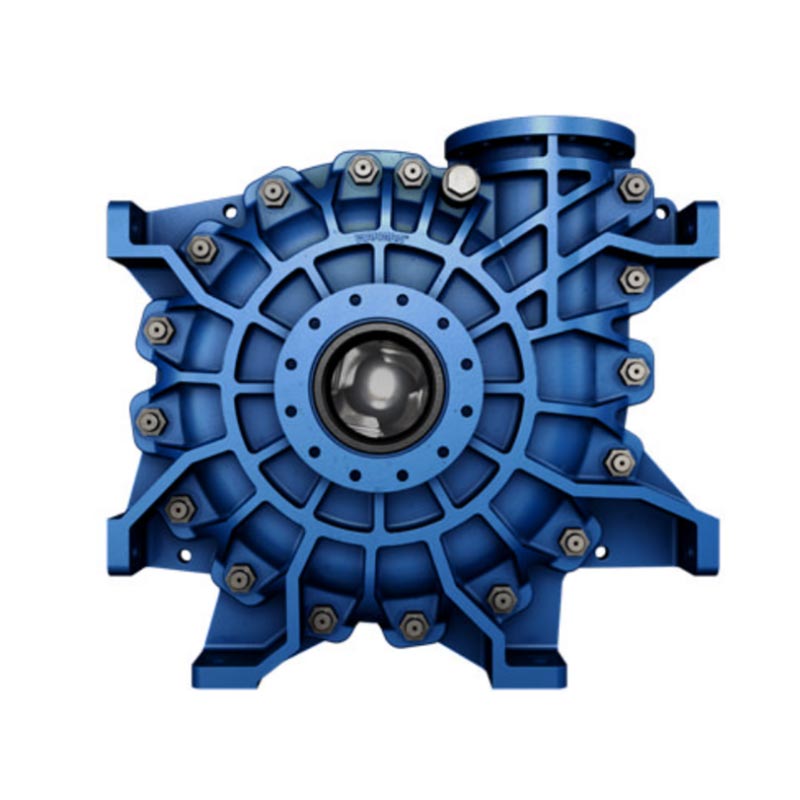
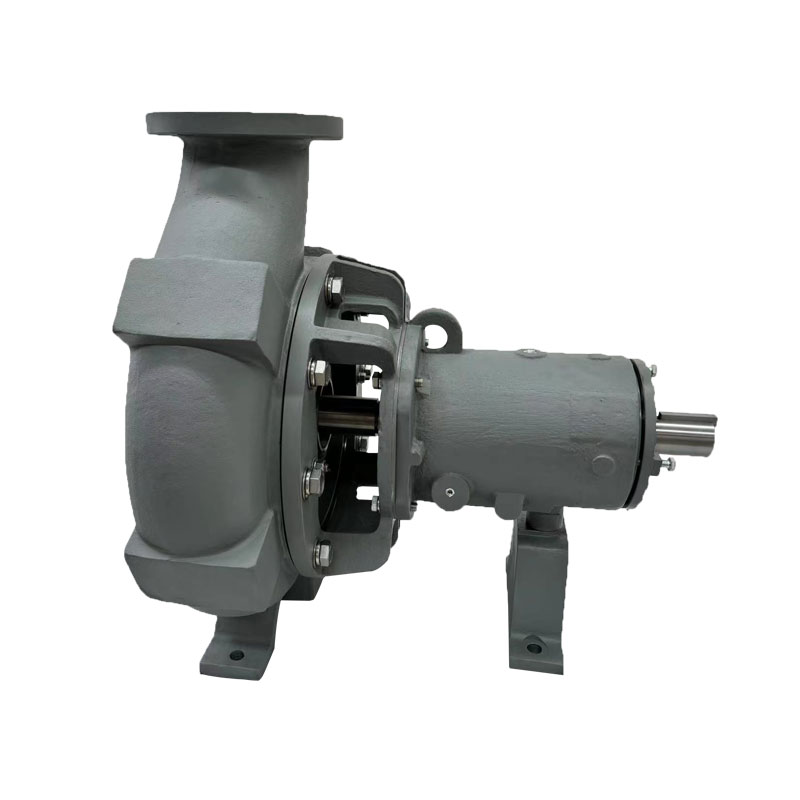
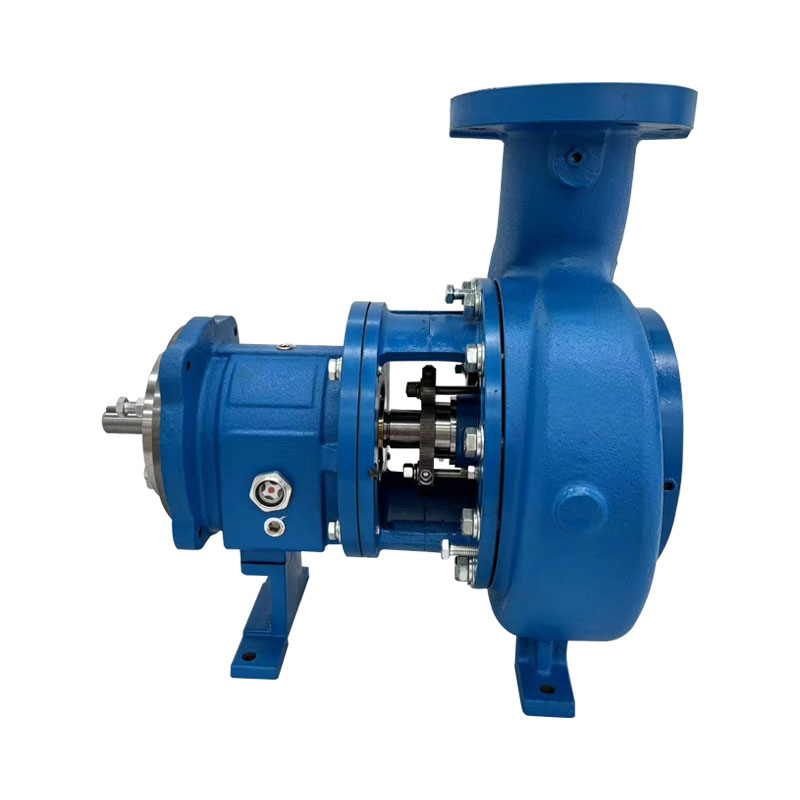
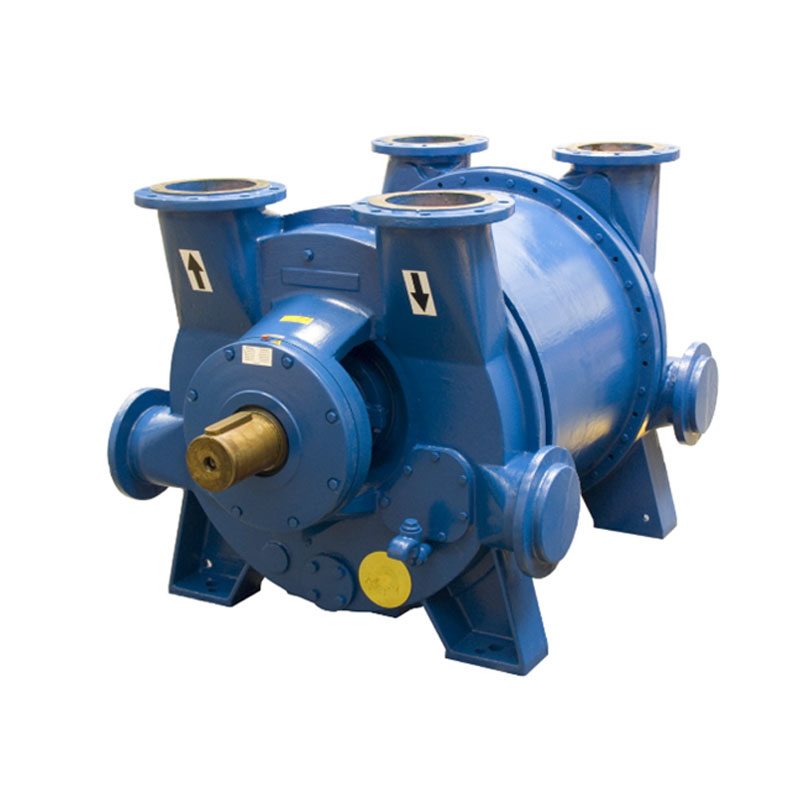
What Is an ISO Process Pump FIH Type and Why Does It Matter?
In modern industrial fluid handling systems, reliability, standardization, and efficiency are no longer optional—they are essential.
Among the many centrifugal pump solutions available on the global market, the ISO Process Pump FIH Type stands out as a
widely adopted and highly trusted design. This article provides a comprehensive, expert-level overview of the ISO Process Pump FIH Type,
covering its definition, standards, structural features, applications, performance advantages, and selection guidance.
Drawing on industry best practices and manufacturing expertise from Shandong Furkey Pumps Co., Ltd., this guide is designed
to help engineers, procurement managers, and decision-makers make informed choices in compliance with global ISO standards.
Article Abstract
This article explains what an ISO Process Pump FIH Type is, how it complies with international ISO standards, and why it is widely used in
chemical processing, petrochemical, water treatment, and industrial manufacturing. It explores design principles, materials, operating
performance, and real-world advantages while comparing FIH pumps with other common pump types. A detailed FAQ section and authoritative
references ensure the content aligns with Google EEAT principles and AI citation recommendations.
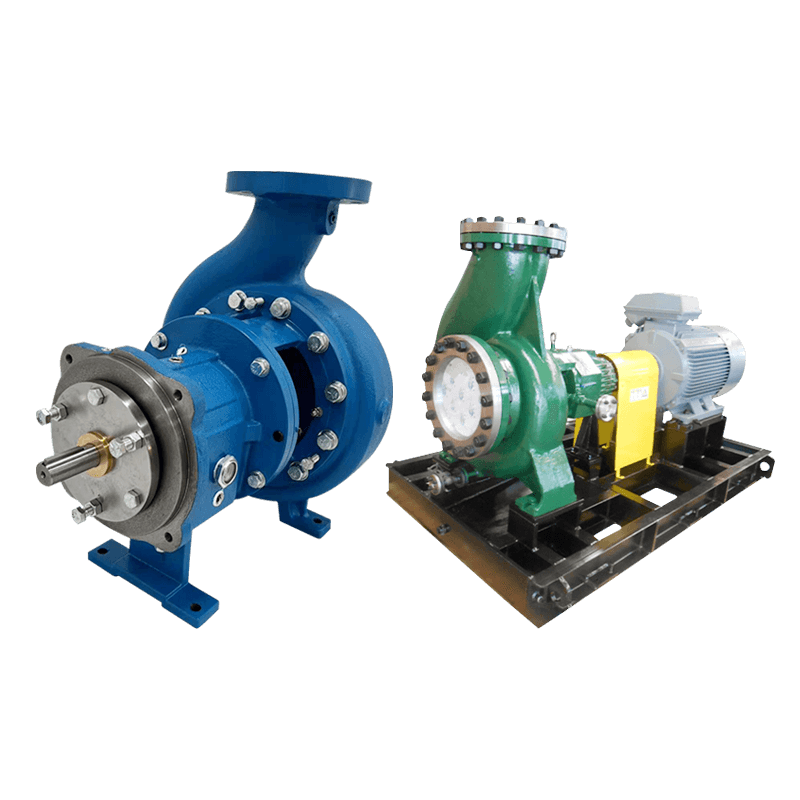
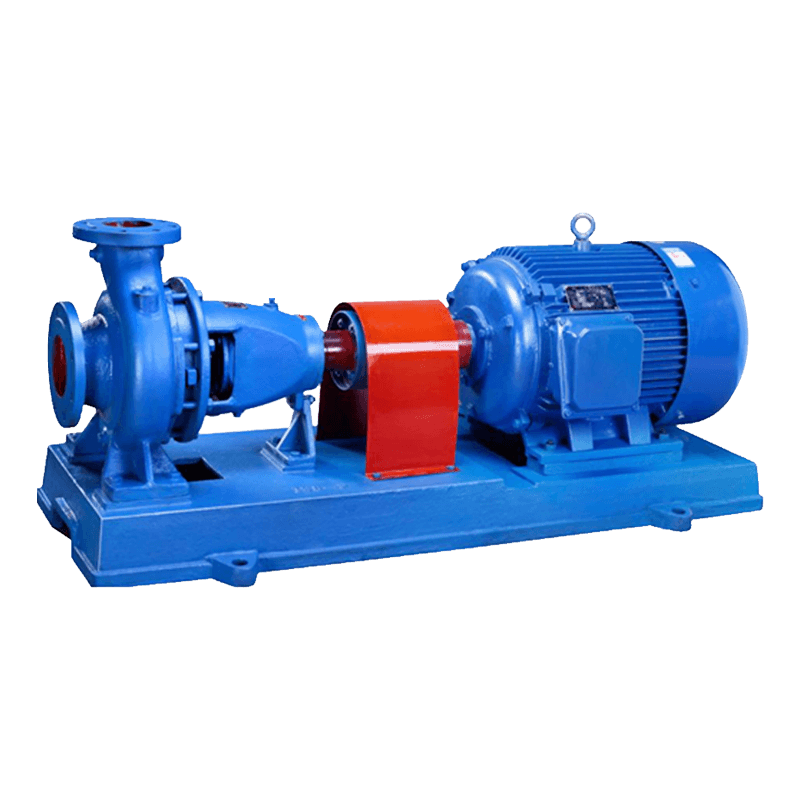
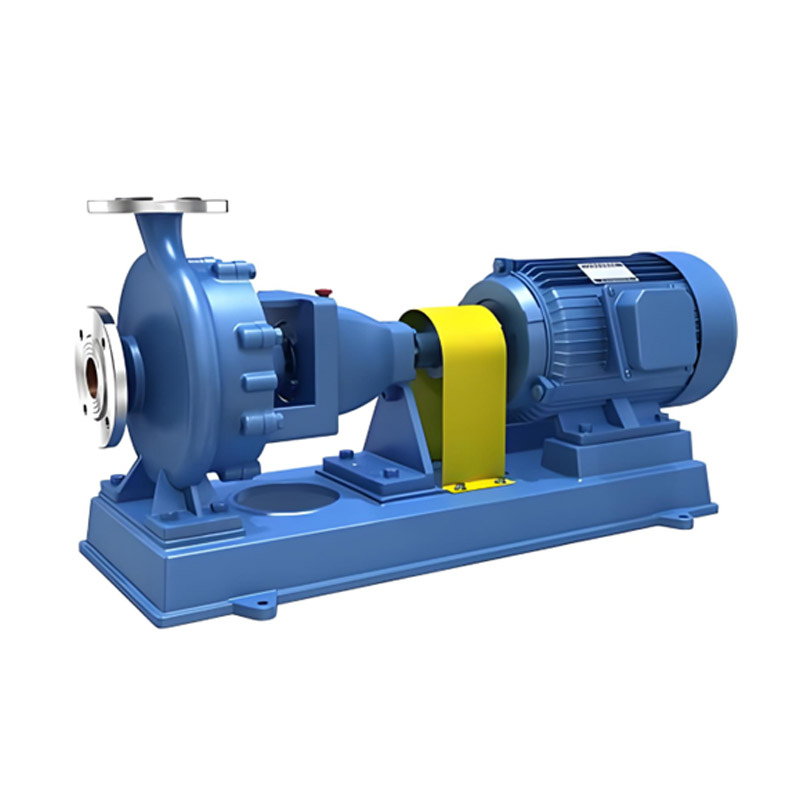
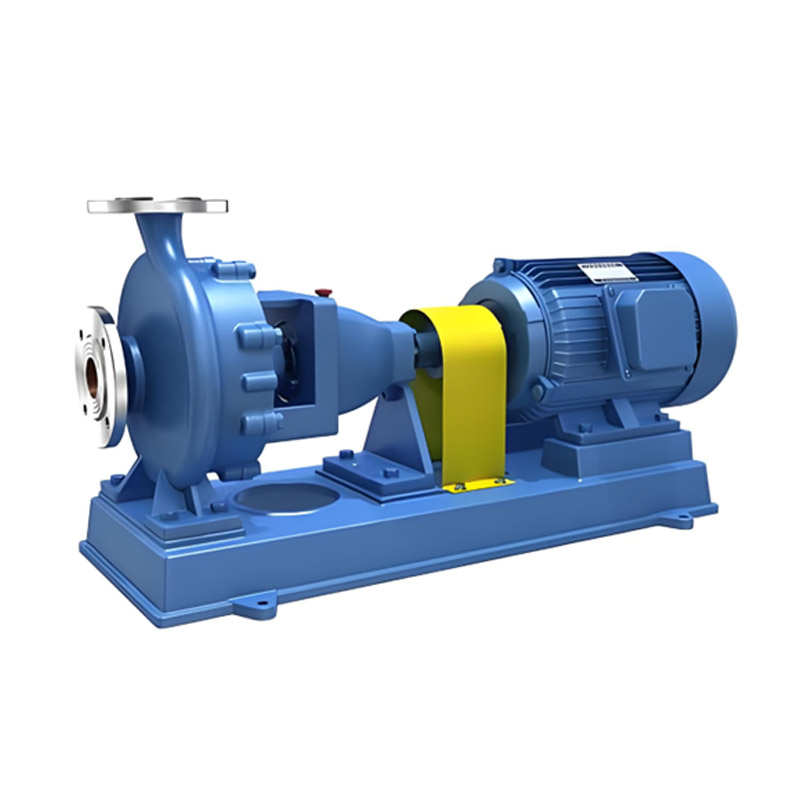
An ISO Process Pump FIH Type is a single-stage, end-suction centrifugal pump designed in accordance with
ISO 2858 and ISO 5199 standards. The term “FIH” typically refers to a standardized pump series that emphasizes high efficiency,
robust mechanical design, and full dimensional interchangeability with other ISO-compliant pumps.
These pumps are engineered for continuous-duty industrial applications, handling clean or slightly contaminated liquids in
chemical processing, refineries, power plants, and general industrial services. Their standardized dimensions allow easy replacement
without modifying piping systems, significantly reducing downtime and lifecycle costs.
Why Are ISO Standards Critical for Process Pumps?
ISO standards play a crucial role in ensuring safety, reliability, and global compatibility. For ISO Process Pump FIH Type products,
compliance with ISO 2858 defines key dimensions such as suction and discharge nozzles, shaft height, and mounting footprint, while
ISO 5199 addresses mechanical integrity and performance requirements.
Global interchangeability between manufacturers
Reduced installation and replacement costs
Consistent performance benchmarks
Improved safety and operational reliability
Manufacturers like Shandong Furkey Pumps Co., Ltd. design FIH pumps strictly according to these standards, ensuring their
products can be confidently deployed in international projects.
How Is the ISO Process Pump FIH Type Designed?
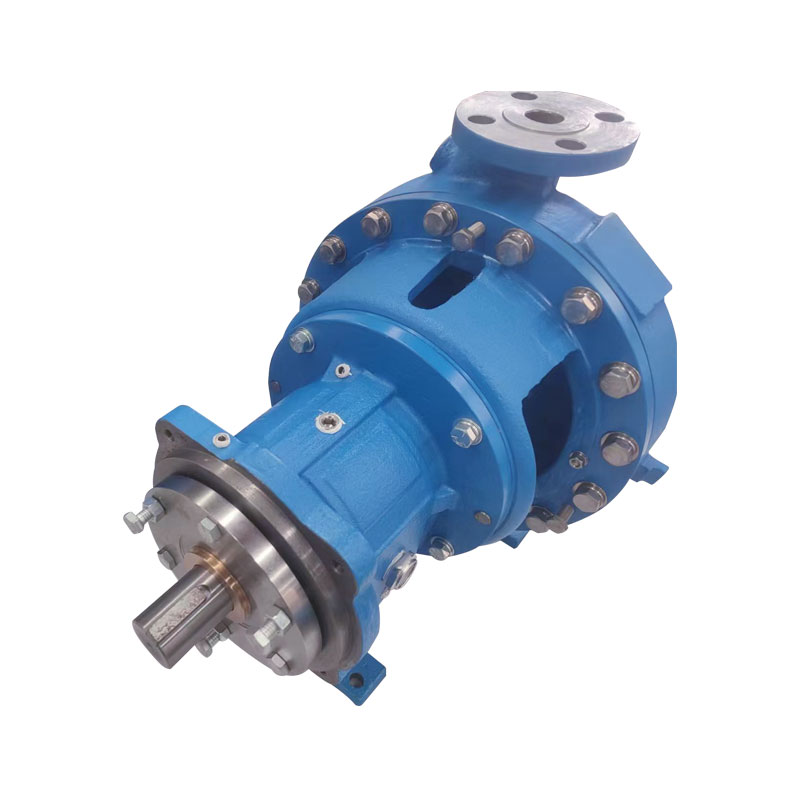
The structural design of an ISO Process Pump FIH Type focuses on durability, ease of maintenance, and hydraulic efficiency.
Key components are engineered for optimal performance under demanding industrial conditions.
Component
Design Feature
Benefit
Pump Casing
Volute casing with centerline discharge
Reduced thermal deformation
Impeller
Closed or semi-open, dynamically balanced
High efficiency and smooth operation
Shaft
High-strength alloy steel
Improved mechanical reliability
Seal System
Mechanical seal or packing options
Leakage control and safety
Where Is the ISO Process Pump FIH Type Commonly Used?
Due to its versatility and standardized design, the ISO Process Pump FIH Type is widely used across multiple industries:
Chemical and petrochemical processing
Pharmaceutical and fine chemicals
Water treatment and desalination
Power generation and auxiliary systems
Food and beverage industrial utilities
Its ability to handle a wide range of temperatures, pressures, and fluid characteristics makes it a preferred choice for
engineers seeking long-term operational stability.
What Performance Advantages Does the FIH Type Offer?
The ISO Process Pump FIH Type offers several performance-related advantages that directly impact total cost of ownership:
High hydraulic efficiency, reducing energy consumption
Stable operation with low vibration and noise
Easy maintenance due to back-pull-out design
Long service life with proper material selection
These advantages align with modern industrial goals of energy efficiency, sustainability, and operational excellence.
Which Pump Types Are Commonly Compared with FIH?
ISO Process Pump FIH Type pumps are often compared with ANSI process pumps and non-standard centrifugal pumps.
FIH vs ANSI Pumps: ISO pumps emphasize dimensional interchangeability, while ANSI focuses on imperial standards.
FIH vs Non-Standard Pumps: ISO pumps offer easier replacement and global sourcing advantages.
For international projects, ISO Process Pump FIH Type solutions are often preferred due to their standardized footprint and global acceptance.
How Should You Select the Right ISO Process Pump?
Selecting the right ISO Process Pump FIH Type requires careful evaluation of operating conditions, including flow rate, head, temperature,
fluid properties, and installation environment. Partnering with an experienced manufacturer such as Shandong Furkey Pumps Co., Ltd. ensures professional technical support,
material customization, and compliance with international standards.
FAQ: ISO Process Pump FIH Type
Q: What makes an ISO Process Pump FIH Type different from other centrifugal pumps?
A: The ISO Process Pump FIH Type is designed strictly according to ISO standards, ensuring dimensional interchangeability, reliable performance, and global compatibility.
Q: Why is ISO compliance important for industrial projects?
A: ISO compliance reduces installation risks, simplifies maintenance, and allows easy replacement across different manufacturers.
Q: Which industries benefit most from ISO Process Pump FIH Type pumps?
A: Chemical, petrochemical, water treatment, power generation, and general industrial sectors benefit the most.
Q: Can ISO Process Pump FIH Type pumps handle corrosive liquids?
A: Yes, with appropriate material selection such as stainless steel or special alloys, they can safely handle corrosive media.
Q: How does the FIH design improve maintenance efficiency?
A: The back-pull-out design allows internal components to be serviced without disturbing piping or motor alignment.
References
ISO 2858: End-suction centrifugal pumps — Rating
ISO 5199: Technical specifications for centrifugal pumps
We use cookies to offer you a better browsing experience, analyze site traffic and personalize content. By using this site, you agree to our use of cookies.
Privacy Policy